Close
Search
RSS

Blog posts of '2025' 'December'

Used Industrial Equipment Buying Mistakes You Must Avoid

Today, many businesses prefer used machinery as a cost-effective way to scale operations, increase productivity, and reduce capital expenditure. From manufacturing plants to processing facilities, used industrial machinery and equipment can help businesses expand without the heavy financial burden of buying brand-new assets. However, buying used equipment comes with its own set of challenges. A lack of due diligence can lead to costly mistakes, safety issues, or compatibility problems that undermine the expected savings. This post discusses the common mistakes you can avoid when purchasing used industrial machinery. Continue reading this post for practical insights and solutions.

Buying Used Equipment: Know What to Avoid Before Making a Firm Decision

Investing in used machines can be a cost-effective strategy, but hasty decisions often lead to unexpected expenses and downtime. By avoiding these errors, you can ensure reliable equipment and lasting benefits.

  • Define Machinery Needs: One of the most common mistakes buyers make is rushing into a purchase without clearly identifying their exact requirements. Every operation has unique needs in terms of output capacity, production speed, or specific functionalities. Without defining these parameters and analyzing them in relation to equipment features, businesses risk purchasing a used machine that either underperforms or is over-engineered for the task. Clearly outlining the production goals and operational needs is the foundation of a successful purchase.
  • Consider Total Cost: The purchase price of used industrial equipment is only part of the story. A machine that seems like a bargain may come with hidden expenses, such as maintenance, energy consumption, or obsolete spare parts. Factoring in the total cost of ownership, including training, servicing, and long-term efficiency, ensures that your investment truly pays off.
  • Inspect Equipment Condition: Skipping a detailed inspection is one of the riskiest shortcuts. Used machines should be thoroughly evaluated for wear and tear, repairs, and functionality aside from compatibility. Buyers who rely solely on photos or incomplete descriptions may end up with faulty equipment that requires costly repairs or refurbishment. Whenever possible, conduct an on-site inspection or request a third-party assessment to verify the condition before making a purchase commitment.
  • Check Compatibility: A used machine may be in excellent condition but still fail to integrate with the existing systems or infrastructure. Compatibility issues, such as mismatched electrical requirements, size constraints, or software integration, can lead to unexpected downtime and modifications. Always ensure that the used equipment aligns with the facility’s setup before buying.
  • Research the Seller: The credibility of the seller is as important as the machine itself. Many businesses fall into the trap of buying from unverified sources, which can lead to poor-quality purchases or even fraudulent deals. Choosing a trusted marketplace or dealer with a proven track record significantly reduces risks. Established platforms specializing in used industrial machinery can provide transparency, reliability, and access to a wide network of verified sellers.
  • Ensure Compliance: Industrial operations are governed by strict compliance and safety regulations. Buying a used machine that doesn’t meet industry standards can result in legal complications, fines, or unsafe working conditions. Buyers should always verify equipment compliance with relevant safety codes, such as OSHA and ANSI, as well as regional standards.
  • Plan for Logistics: Transporting large used equipment involves costs, permits, and potential delays. Buyers who underestimate these factors may face disruptions in their production timelines. Planning for shipping, installation, and setup is critical to avoid downtime.
  • Check Spare Parts Availability: Even well-maintained used machinery requires replacement parts and occasional servicing. Buyers often overlook spare part availability, which can result in prolonged downtime during routine maintenance. Confirm that spare parts and service support are readily available for the equipment you’re considering.
  • Ask About Warranty: Unlike new machines, warranties on used equipment are limited or absent altogether. However, many reputable sellers offer short-term warranties, guarantees, or return policies. Failing to secure these protections can leave you vulnerable if the machine fails shortly after purchase.
  • Consider Resale Value: Although resale value may not be the top priority, it can significantly impact long-term planning. Machines with higher market demand, a strong brand reputation, or a well-documented maintenance history would certainly fetch a good value. Considering this factor ensures flexibility if you need to upgrade or restructure operations in the future.

Are you looking for high-quality, performance-driven used industrial equipment? If yes, Industrial Exchange is a one-stop solution for you. With over 30 years of expertise and thousands of verified listings, the company connects you with trusted buyers and sellers of surplus and used equipment across more than 140 categories. Contact our team for expert assistance or visit https://www.industrialexchange.com/ for detailed information.

Why Used Boilers Are a Smart Investment for Industrial Plants?

Boilers are integral to industrial operations, wherein processes require steam and hot water essential heating, sterilization, and powering turbines. Their reliability has a direct impact on productivity and efficiency across manufacturing, energy, and processing plants. Today, many businesses are turning to used boilers as a cost-effective strategy to reduce expenses, increase output, and avoid the high cost of new equipment, while also achieving environmental sustainability. While they offer significant advantages, one needs to consider some factors before purchasing a used boiler comes. This post discusses why used industrial boilers remain a reliable choice for industries and highlights key considerations when purchasing one.

Boilers – Their Role and Importance in Industrial Operations

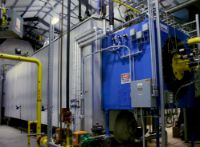
Before exploring their benefits, let’s first address the question: What are boilers? Boilers are critical devices that heat water to produce steam or hot water, using fuels such as natural gas, oil, or electricity. In industrial environments, they are vital for providing the heat or power needed for a wide range of processes, including steam generation, district heating, and chemical production. Today, various types of boilers are used, including water tube boilers, biomass boilers, and firetube boilers. Despite the differences, their core function remains the same, delivering reliable, energy-efficient performance that keeps industrial operations running smoothly.

Why Used Boilers Are in Demand?

Here are some key reasons to invest in used boilers.

  • Availability and Reduced Lead Times: In many industries, time is a critical factor. Downtime caused by a broken boiler can halt production, leading to lost revenue and delayed projects. Used boilers can be acquired and installed much faster than new ones which often have long lead times. They are almost always easily available for immediate shipment, which, avoids prolonged interruptions. This swift availability ensures that operations resume promptly, keeping productivity levels high and helping businesses meet tight deadlines.
  • Performance and Durability: Despite being pre-owned, used boilers can be highly durable and deliver impressive performance when properly maintained. These boilers have already proven their reliability in real-world settings, and with regular servicing and inspections, they can continue to offer excellent performance for many years. Additionally, used boilers are refurbished and thoroughly tested to meet industry standards, ensuring they function just as efficiently as new units.
  • Sustainability and Circular Economy: Sustainability is becoming increasingly important for businesses aiming to reduce their environmental impact. By opting for used boilers, companies contribute to a circular economy by reusing existing equipment and minimizing waste. The production of new boilers requires significant raw materials, energy, and resources, all of which contribute to environmental degradation. Used boilers, however, have already served their purpose, and by putting them back into circulation, businesses reduce the carbon footprint associated with manufacturing new units. This practice helps meet sustainability goals while maintaining operational efficiency.
  • Cost Effectiveness: New boilers represent a significant capital investment, which can be a financial strain, especially for small- and mid-sized companies. In contrast, used boilers provide an opportunity to access reliable equipment at a fraction of the price. Also, the depreciation rate of used equipment is slower than new ones, which adds to the long-term cost saving. Many well-maintained used boilers offer performance comparable to new units, making them an attractive option for companies looking to maximize their budget. With the savings, businesses can invest in other critical areas, such as improving operations or expanding capacity.

Key Considerations When Buying a Used Boiler

While purchasing a used boiler offers several advantages, it’s important to make a well-informed decision to avoid costly mistakes. Here are some key factors to consider when buying a used boiler.

  • Inspect the Condition: Not all used boilers are the same. Ensure the boiler has been thoroughly inspected, tested, and refurbished if necessary. Request detailed documentation of its maintenance history and inquire about any previous repairs.
  • Compatibility: Make sure the used boiler matches your plant’s specific needs. Verify the size, capacity, and fuel type to ensure the boiler operates seamlessly with your operations.
  • Performance and Efficiency: A used boiler should still meet your plant’s performance standards. Evaluate its efficiency to ensure it can deliver the energy savings and output required for your facility.
  • Compliance and Safety: Ensure that the used boiler complies with all relevant safety codes and regulatory standards. This ensures the equipment will operate safely and that your facility remains compliant with industry regulations.
  • Spare Parts Availability: Confirm that replacement parts are readily available. Even well-maintained boilers may require part replacements over time, and having access to readily available parts can minimize downtime.

Need reliable used industrial boilers for your industrial plant? At Industrial Exchange, we have a wide inventory of surplus and used boilers for sale. We offer top brands such as Cleaver-Brooks and Rentech Boiler, under one roof. Also, you can totally rely on us for quality. Contact us now for a quote or to explore our inventory for detailed information.

How Used and Surplus Packaging Equipment Shortens Time to Market

In the competitive world of packaging, speed is everything. Whether it’s for food, beverages, pharmaceuticals, or consumer goods, businesses must meet market demand quickly while maintaining high-quality standards. However, achieving faster production and reducing time to market is often easier said than done, especially when relying on new machinery with long lead times. This is where used and surplus packaging machinery comes in. By opting for pre-owned equipment, businesses can cut down on production time, reduce costs, and scale up their operations efficiently, all while maintaining the same level of quality. In this post, we will explore the challenges in the packaging industry affecting time to market, the advantages of used and surplus machinery, types of equipment that accelerate production, tips for selecting the right machinery, and how a top broker or dealer adds value to the process.

Challenges in Packaging Industry That Affect Time to Market

Time to market is crucial for businesses in the packaging industry. Any delays in the production line can significantly affect product availability and customer satisfaction.

  • Limited Availability of Machinery: Often, new packaging machinery can have long lead times due to manufacturing and shipping delays. This limited availability can delay production schedules and increase time to market.
  • High Capital Expenditures: Purchasing brand-new packaging equipment can be a significant financial investment. The large capital outlay required for new machinery might result in delayed procurement, thus slowing down time to market.
  • Complex Installation and Training: New packaging machinery often requires complex installation and operator training, which can take additional time. This delay in installation and training can extend the time it takes to get a product to market.
  • Uncertain Return on Investment (ROI): The risk of investing in expensive new packaging equipment with uncertain ROI can cause businesses to hesitate, leading to delays in packaging decisions and ultimately impacting the time it takes for products to reach consumers.
  • Supply Chain Disruptions: Packaging machinery that depends on specialized parts or components can face supply chain disruptions, leading to delays. These setbacks can significantly slow down production timelines, making it harder to meet market demand.

Advantages of Used and Surplus Packaging Machinery

Purchasing used and surplus packaging machinery offers businesses many advantages that directly impact time to market.

  • Cost Savings and Lower Capital Expenditure: Buying used packaging equipment can significantly lower upfront costs, enabling businesses to allocate funds elsewhere and invest in other critical areas. The lower cost of used machinery also reduces financial risks, allowing businesses to quickly scale production without large financial commitments.
  • Faster Procurement and Shorter Lead Times: Used packaging equipment for sale is readily available, allowing businesses to bypass long wait times associated with ordering new machinery. This immediate availability helps companies quickly address production needs and accelerate time to market.
  • Proven Reliability and Performance: Many used packaging machines come with a track record of reliable performance, often backed by inspection reports and maintenance history. This ensures that businesses can integrate the equipment into their production lines quickly, minimizing downtime and delays.
  • Easier Integration and Setup: Used packaging equipment is often easier to integrate into existing production lines due to the familiarity of technology and design. With minimal setup time, businesses can start packaging products sooner, improving overall time to market.
  • Reduced Installation Time: Used machinery typically requires less time to install, especially if it has been refurbished or pre-tested. This ensures that production lines are up and running faster, directly impacting a company’s ability to meet market demand.

Types of Packaging Machinery That Can Accelerate Time to Market

Several types of packaging machinery can help businesses improve production efficiency and accelerate time to market. By choosing the right machines, companies can significantly reduce production lead times. Here are a few types of equipment to consider:

  • Filling Machines: Filling machines are essential for packaging liquid and powder-based products. These machines can significantly speed up the filling process by automatically dispensing the right amount of product into containers.
  • Sealing Machines: Sealing machines are crucial for ensuring that packages are properly closed and secure. These machines help to reduce the risk of product contamination and spoilage while also speeding up the sealing process.
  • Labeling Machines: Accurate and efficient labeling is a key factor in packaging. Labeling machines that are easy to set up and operate can help speed up the packaging process.
  • Cartoning Machines: Cartoning machines are used for automating the packaging of products into cartons. These machines can significantly reduce the labor and time involved in packaging, improving the overall production speed.
  • Stretch Wrapping Machines: Stretch wrapping machines help secure products onto pallets for safe transportation. These machines are crucial for speeding up the final stages of packaging, reducing labor costs, and improving overall efficiency.

Tips to Choose the Right Used or Surplus Machinery

Selecting the right used or surplus packaging machinery requires careful consideration to ensure the machinery meets both production needs and quality standards.

  • Evaluate Equipment Condition and Maintenance History: Always review the maintenance records of used equipment. A well-maintained machine will operate more efficiently and have a longer lifespan, reducing the likelihood of downtime.
  • Check for Compatibility with Existing Production Lines: Ensure that the used machinery is compatible with your current production setup. The right fit will reduce integration time and ensure smooth operation from day one.
  • Consider the Equipment’s Age and Technology: While used equipment may be older, make sure the technology used in the machinery is still relevant to your production needs. Older machines may lack some modern features, which can slow down production.
  • Verify the Seller’s Reputation and Support: Always buy from a reputable seller who offers warranties or post-purchase support. This ensures you can quickly address any issues that arise after the purchase, minimizing production delays.

How a Top Broker and Dealer Adds Value?

Partnering with a trusted broker or dealer can add significant value to the process of buying used packaging equipment. Here’s how a top broker or dealer adds value:

  • Expert Advice and Guidance: Brokers and dealers with industry experience can offer expert advice on the best machinery for your business. They can provide recommendations based on your production needs and budget, ensuring you make an informed decision.
  • Access to a Large Inventory: A reputable dealer will have access to a wide range of used packaging equipment, giving you more options to choose from. They can help you find machinery that meets your specific requirements and accelerates time to market.
  • Quality Assurance: Top brokers and dealers typically offer inspected and tested used equipment, ensuring that you purchase machinery that performs well and lasts longer. This reduces the risk of downtime caused by faulty equipment.
  • Support Services: Dealers often provide after-sales support, such as installation, training, and warranty services, which can ensure that the machinery is set up properly and that your team is well-equipped to operate it.

Enhance Efficiency with Used and Surplus Packaging Machinery. Purchasing used packaging equipment for sale is a cost-effective way to tackle challenges that delay time to market. It enhances efficiency, reduces costs, and speeds up production. Whether you're looking for specific equipment or need expert guidance, partnering with a trusted dealer ensures smooth transitions and faster time to market. For buying or selling used and surplus packaging machinery, Industrial Exchange is your go-to solution. Contact us at 804-608-0141 or email for more information or to register for instant access.

Maximizing Output with Used Paper Converting Lines

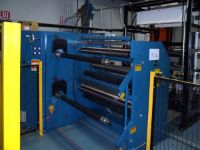
Paper converting equipment, also known as paper converting lines, refers to the machinery that transforms raw paper or jumbo rolls into usable products like packaging materials, tissues, napkins, paperboard, cartons, and labels. These lines can include a combination of rewinders, slitters, embossers, sheeters, and packaging systems, all working together to create finished paper products efficiently and at scale.

In recent years, manufacturers have increasingly turned to used paper recycling equipment to balance cost efficiency with high-quality output. Buying pre-owned machinery allows companies to scale faster, save capital, and embrace more sustainable practices without sacrificing reliability. This post will explore why paper converting efficiency matters, the advantages of investing in used converting lines, strategies to maximize output, common mistakes to avoid, and future trends shaping the industry.

Why Paper Converting Efficiency Matters in Today’s Market

Here’s why paper converting efficiency matters:

1. Efficient paper processing machinery reduces downtime, lowers energy consumption, and minimizes raw material waste. For manufacturers, this directly translates into lower operating costs and higher output per shift.

2. Consumer and industrial demand for paper-based products is constantly growing. By maximizing efficiency, companies can keep up with customer expectations for faster delivery and consistent quality, all while maintaining competitive pricing.

3. Efficiency isn’t just about speed but also ties into sustainability. By integrating used paper recycling equipment into their operations, businesses can meet environmental regulations and position themselves as responsible, future-ready brands.

Strategic Advantages of Buying Used Converting Lines

A growing number of manufacturers are discovering the benefits of investing in used paper converting equipment. Here’s why:

1. Significant cost savings: The most obvious advantage is the reduced upfront investment. Pre-owned paper processing machinery can often be purchased for a fraction of the cost of new equipment, freeing up capital for other critical business needs.

2. Faster ROI (return on investment): Lower capital expenditure means companies can achieve profitability faster. By investing in used paper converting lines, manufacturers can start producing and generating revenue without waiting years to offset the high cost of new machinery.

3. Proven reliability: Many used machines have a track record of reliable performance in real production environments. When sourced from a trusted machinery dealer, buyers gain peace of mind knowing the equipment has been inspected, refurbished if necessary, and optimized for continued use.

4. Availability and shorter lead times: Used paper recycling equipment is typically available immediately, which means companies can ramp up production quickly to meet rising demand.

5. Sustainability and circular economy benefits: Choosing pre-owned paper converting solution supports sustainability goals by extending the lifecycle of existing assets and reducing the need for new manufacturing.

Effective Strategies to Maximize Output with Used Converting Machinery

By focusing on efficiency and reliability, businesses can get the most out of their used paper converting lines while staying competitive in today’s fast-moving market. Here’s how:

1. Prioritize Preventive maintenance: Regular servicing and preventive maintenance are essential for extending the life of pre-owned paper processing machinery. Scheduling inspections, replacing worn parts, and ensuring lubrication help prevent unexpected downtime and maintain consistent production.

2. Optimize Workflow and layout: Strategically positioning machines and streamlining material flow can significantly reduce delays, improve operational efficiency, and maximize throughput. By designing an effective layout, businesses can reduce unnecessary movements, increase space utilization, and ensure smoother transitions between processes.

3. Invest in Operator training: The efficiency of your equipment relies heavily on the skills of the operators. Properly trained staff can operate machinery more safely, reduce errors, and minimize waste. Continuous skill upgrades also help employees adapt to new features or retrofits on used recycling equipment.

4. Upgrade with Modern Enhancements: Many used paper converting lines can be retrofitted with automation upgrades, digital controls, or safety improvements. These cost-effective enhancements can bring older equipment up to modern standards, increasing both productivity and product quality.

5. Monitor Performance Data: Implementing simple tracking systems helps you monitor speed, waste, and downtime. These insights allow managers to spot inefficiencies and adjust processes for maximum output.

Customization and Flexibility with Used Equipment to Your Needs

Many pre-owned machines offer excellent opportunities for customization and flexibility, allowing businesses to adapt quickly to changing market demands.

1. Retrofitting with Modern Upgrades: Used paper processing machinery can often be enhanced with new control systems, safety features, and automation upgrades. These retrofits not only extend machine life but also bring performance closer to that of new models without the high cost.

2. Adapting to Product Variations: Consumer needs in the paper industry are constantly evolving. With the right adjustments, used paper converting lines can be retooled to handle different product formats, paper grades, and finishes, giving manufacturers the agility to diversify their offerings.

3. Scalability on a Budget: For growing businesses, adding or reconfiguring used recycling equipment is far more budget-friendly than investing in brand-new production lines. This flexibility makes it easier to scale operations in phases, aligning production capacity with actual demand.

Common Mistakes to Avoid When Investing in Used Converting Equipment

Here are the most common mistakes manufacturers make when buying used machinery and how to steer clear of them.

1. Skipping the Inspection Process: One of the biggest risks when buying used paper processing machinery is purchasing equipment without thoroughly inspecting its condition. Always request a detailed inspection report, ideally from a trusted third-party technician to ensure the machinery is in good working order.

2. Overlooking Maintenance History: Not all pre-owned machines come with a clear maintenance history. Failing to review this crucial information can lead to costly surprises down the road. Ensure that the equipment has undergone regular servicing, with any parts prone to wear being replaced or refurbished as needed.

3. Ignoring Energy Efficiency: Older machines may not be as energy-efficient as newer models. So, before finalizing your purchase, assess the machine’s energy consumption and consider upgrading energy-saving components, such as motors or drives, if necessary.

4. Failing to Account for Spare Parts Availability: Another common mistake is assuming spare parts for used paper converting lines will always be readily available. Before making a purchase, ensure that spare parts are readily available and consult with the dealer regarding any potential obsolescence issues or compatibility concerns with your existing machinery.

By investing in well-maintained used recycling equipment for sale, businesses can reduce capital expenditures, increase production capacity, and stay competitive in the evolving market. If you’re ready to explore high-quality used paper converting equipment, Industrial Exchange is your trusted partner. With a vast inventory of pre-owned machinery and a team of industry experts, we help businesses like yours find the best deals on used paper recycling equipment, so you can boost production without the hefty price tag.

How to Choose the Right Industrial Equipment Broker: Key Questions to Ask Before Buying or Selling

Purchasing or selling industrial machinery is a significant decision that requires careful consideration. Whether you’re looking for a new piece of heavy equipment or trying to offload used machinery, choosing the right industrial machinery dealer or broker is crucial to ensuring a smooth and successful transaction. Working with an experienced and reputable machinery dealer or broker can save you time, money, and hassle. But how do you know if you’re choosing the right one? This post offers key questions you should ask to ensure you’re working with a trusted heavy equipment broker or machinery dealer.

Key Considerations When Choosing an Industrial Machinery Dealer or Broker

When choosing an industrial machinery dealer or broker, it's essential to consider several key factors that can impact the success of your transaction. Here are some critical aspects to evaluate before you partner with a dealer or broker:

  • Experience and industry expertise: One of the first things to consider when choosing a machinery dealer or broker is their experience and expertise in the industry. A good industrial equipment broker should possess an in-depth knowledge of the market and a proven track record of successfully handling transactions in your machinery category. Ensure to get an answer to the following questions.
    • How long has the industrial equipment dealer been in business?
    • Do they specialize in specific types of machinery, such as those used in construction, manufacturing, or agriculture?
    • What is their track record with transactions similar to yours?
  • Global reach and market access: If you're looking for machinery across regions or selling equipment that could have international demand, you’ll need an industrial equipment dealer with a broad reach. Top-tier machinery distributors can help you access global markets, ensuring you get the best prices and buyers for your equipment. Some of the key questions to ask include:
    • Does the dealer have connections in international markets?
    • Can they connect you to a global network of potential buyers or sellers?
  • Transparency in pricing and valuation: Transparency is crucial when dealing with heavy equipment. Both buyers and sellers should understand the fair market value of the machinery in question. Ask the industrial equipment broker about their approach to pricing and valuation; including;
    • How do they assess the value of used machinery?
    • Do they offer written estimates or formal appraisals?
    • Are they transparent about any hidden fees or costs in the transaction?
  • Inspection, testing, and verification: Buying used machinery comes with inherent risks, including hidden defects or wear and tear that could affect performance. Ensure the chosen used machinery brokers offer thorough inspection and testing services to verify the condition of the equipment. Key questions to ask here include:
    • Do they perform comprehensive inspections of machinery before listing it for sale?
    • What kind of testing or verification processes do they use to confirm the machinery's functionality?
    • Do they provide a certificate of inspection, testing, and verification to confirm the machinery’s condition and functionality?
  • Compliance and safety standards: Compliance with industry standards and regulations is vital when purchasing or selling industrial machinery. Ensuring your industrial equipment meets the highest safety and regulatory standards is crucial for a successful transaction.
    • Do they guarantee that machinery meets local, national, and international safety standards?
    • Do they provide documentation or certifications proving adherence to relevant safety and environmental standards?
    • How do they ensure the machinery is free from hazardous materials or safety risks before listing for sale?
    • Are they familiar with specific compliance requirements for your industry, such as construction, manufacturing, or environmental regulations?
  • Logistics, shipping, and installation support: Logistics is often a major concern when buying or selling large machinery. Ensure your used machinery suppliers provide full shipping, installation, and logistics support, especially for international transactions. Key questions include:
    • Do they offer support for transportation and installation?
    • Can they assist with customs clearance if you're importing or exporting equipment?
  • After-sales service and support: The transaction doesn't end once the machinery is delivered or sold. Prominent used machinery suppliers will offer ongoing support and service to help maintain the equipment’s performance and resolve any post-sale issues. Ask the following questions:
    • Do they provide a warranty or guarantee for the machinery?
    • Are they available for technical support or repairs after the sale?
  • • Security of Transactions: When buying or selling industrial equipment, ensuring the security of your transaction is vital. It is important to work with a broker who employs safe, secure methods for handling financial and contract matters. Consider these important security-related questions:
    • What safeguards do they have in place to protect both buyers and sellers?
    • Do they offer a secure method for paying and transferring ownership of the equipment?
  • Value-added services: Many machinery brokers and dealers offer value-added services that can further enhance your experience. These may include services such as financing options, equipment leasing, or machinery audits. Key questions to ask here include:
    • Do they offer additional services like financing, leasing, or repair services?
    • Are there any added benefits, like training on machinery use or regular maintenance?

Choosing the Right Industrial Equipment Broker

Choosing the right industrial equipment broker or machinery dealer is an important decision that can significantly impact your business’s success. By asking the right questions outlined above, you can ensure that your next machinery transaction is not only smooth but also aligned with your operational goals.

Ready to Make Your Next Industrial Machinery Transaction Smooth?

Choosing the right industrial equipment broker is crucial for your success. Partner with Industrial Exchange and leverage our industry expertise, global reach, and comprehensive support to ensure a smooth, secure, and successful transaction. Contact us today to get the best value for your machinery, backed by years of experience and a commitment to excellence.

Going Green with Used Biomass Machinery for Renewable Energy

According to the International Energy Agency (IEA), modern bioenergy already accounts for over 6 % of global energy supply and nearly 55 % of renewable energy worldwide. As industries strive to reduce their carbon footprint and embrace sustainability, biomass has emerged as a key driver in the shift toward renewable energy. Around the world, companies are turning to biomass recycling machines to convert organic waste, such as wood chips, agricultural residues, and paper waste, into valuable natural fuel sources. For example, waste wood can be shredded into chips, crushed into sawdust, and compressed into fuel pellets using specialized biomass processing equipment. These pellets then power heating systems or are sold as renewable fuel, completing a clean and profitable recycling loop. This post explores the different types of biomass machinery available, their importance in renewable energy systems, and key factors to consider when investing in biomass plants or equipment.

Biomass for Renewable Energy: Importance and Essential Processing Equipment

Biomass plays a vital role in advancing renewable energy goals by transforming organic waste into clean, sustainable power. It not only diversifies the energy mix but also supports global decarbonization efforts by providing an eco-friendly alternative to fossil fuels. To convert renewable biomass into usable energy, various biomass processing equipment are employed at different stages of production:

  • Chippers: These equipment breaks down wood and agricultural residue into smaller, uniform chips suitable for further processing.
  • Dryers: These equipment are designed to reduce the moisture content in biomass materials, ensuring higher combustion efficiency and energy output.
  • Pelletizers: These equipment are used to compress processed biomass, such as sawdust or wood chips into dense fuel pellets for heating and power generation.
  • Boilers: These equipment use pellets or chips to generate heat and steam for industrial operations or electricity production.

Why Used Biomass Machinery Is Gaining Traction

There are several compelling reasons why businesses are increasingly turning toward used biomass processing equipment.

  • Cost efficiency: The most obvious cost factor makes biomass projects more financially viable, especially for small scale businesses or those with limited budgets. Buying new equipment for biomass plants or biomass processing lines involves a substantial capital investment, unlike the used ones. By contrast, procuring pre-owned or used biomass machinery from reliable players ensures good equipment in working order and sharply reduced upfront costs. Most such players would offer a variety of used equipment, such as biomass boilers and shredders, almost immediately. This also reduces downtime since the equipment can be readily shipped. So, there are immediate and long-term cost benefits.
  • Faster deployment and availability: Used equipment often means shorter lead times. New machines may involve custom manufacturing, long shipping and installation schedules. Used and surplus large-scale machinery, ranging from biomass cogeneration systems around 1500 HP to boiler units may be available for immediate shipment. This leads to quicker deployment of biomass plants.
  • Sustainability beyond energy: Selecting used equipment aligns with the sustainability mission in multiple ways. It further supports the achievement of sustainability goals, as the equipment is readily available and may require only basic servicing and inspection. This significantly reduces the impact of manufacturing new machinery by saving resources, energy, and effort. This also helps fosters a reuse culture rather than simply buying new and discarding old equipment, which leads to wastage. Investing in used equipment gives it a second life in new contexts, while also bringing circular-economy benefits. With biomass systems themselves contributing to renewable energy generation and waste-to-energy conversion, choosing used machinery adds an extra layer of environmental value.
  • Performance and Reliability of Used Biomass Machinery: Unlike the popular perception of used equipment on its working condition, depreciation, reliability, and so on, such equipment can be extremely energy-efficient and profitable. Well-maintained machinery, properly refurbished and acquired from trusted sources, can deliver effective performance. Many used boilers, chippers, pellet mills and biomass plants continue to operate efficiently after refurbishment. Also, they have a slower depreciation rate than most new equipment.
  • Scalability for energy producers: Used machinery offers a stepping stone for startups and businesses considering expansion, retrofitting or smaller pilot operations. It fosters modular growth of biomass plants by enabling the purchase of biomass processing equipment at an economical price. Over time, businesses may upgrade or scale up their equipment and processes depending on the budget and market conditions, among other factors.

Key Considerations Before Buying Used Biomass Machinery

Here are some factors you can consider before investing in used biomass machinery.

  • Condition and maintenance history: Ensure you check the machine history in detail with the dealer. Check whether the machine has had any repairs before, its current operating condition, operating hours, and date of manufacture. Check the machine’s actual working hours and maintenance records to date.
  • Compatibility with feedstock and existing systems: Check if the machine is compatible with the feedstock or biomass you aim to recycle, such as wood chips, agricultural residue, sawdust, and more. Ensure moisture, size, and fuel type compatibility. Its integration with existing systems is just as crucial to the equipment to functioning normally. Hence, check the control systems in your existing process and aspects such as fuel handling, ash removal, and more.
  • Capacity and output requirements: Verify the throughput, thermal output, and electrical output for cogeneration and whether the machine meets your scale and its overall fitment in your operating requirements.
  • Emissions and environmental compliance: Like most industrial machines, the emissions from biomass plants must be checked to meet compliance requirements. Ensure the machine meets local regulatory requirements.
  • Spare parts and serviceability: Even used equipment requires spare parts, servicing, and maintenance. Ensure your dealer offers it, and that the spare parts, if needed are available locally.
  • Refurbishment and testing: Ensure your supplier thoroughly inspects the machine before shipping it to your facility. Rule out any repair needs before you purchase it. If any minor issues are identified, have them repaired before commissioning.

Partner With a Trusted Biomass Equipment Expert

Working with a credible intermediary increases confidence, reduces risk and allows you to focus on deploying renewable biomass and biomass energy, rather than getting bogged down in equipment procurement issues. In the used biomass machinery market, choosing a reliable dealer or broker is essential.

At Industrial Exchange, we provide thoroughly inspected and ready-to-use biomass processing equipment, including boilers, pelletizers, and cogeneration systems. Our expertise in equipment evaluation and transparent inspection processes ensures you invest wisely in sustainable technology. Call our team today to find out how our used biomass machinery can help your business accelerate toward its renewable energy and sustainability goals.

Why More Manufacturers Are Turning to Used Industrial Equipment

In today’s competitive business landscape, companies are continually seeking ways to optimize costs without sacrificing quality, especially when resources are limited. For many small and medium-sized manufacturers, the high upfront costs of new equipment, coupled with extended delivery times, present significant challenges. These financial and operational hurdles can result in production delays and unproductive downtime. As a result, many businesses are turning to an increasingly viable solution: used industrial equipment. This post explores why more manufacturers are opting for pre-owned industrial machinery, and how this approach is helping them stay efficient and cost-effective.  

Why Investing in Second Hand Industrial Equipment Makes Sense

As per a report by one of the leading market research agencies, the global used machinery market is projected to grow at a CAGR of 5.2% from 2021 to 2028, reaching a market size of $200 billion by 2028. While the growth rate here may seem modest, many factors sum up to increased production and revenue when businesses invest in used equipment. Here are some pointers.

  • Gaining Access to High-Quality Machinery: New doesn’t always mean better. In fact, buying used industrial equipment can give you access to high-quality brands and technologies that might be out of your reach, especially for small businesses, startups, and manufacturers. By partnering with trusted online buying platforms, these businesses can get access to advanced machinery in good working condition at an affordable price. This applies to equipment used across industries from automotive and construction to textiles, chemicals, and heavy engineering.
  • Cost Efficiency Without Compromising Quality: The cost of new equipment can be a significant barrier for smaller operations. In many cases, it is a deal-breaker. Pre-owned industrial equipment offers a great alternative, often at a fraction of the price of new equipment. Well-maintained and properly serviced used equipment can continue to perform just as well as new machinery. In fact, many of these machines have already demonstrated their reliability on the factory floor, offering the same level of efficiency, at an affordable price.
  • Faster Lead Times & Immediate Availability: Waiting months for new equipment to arrive is something that many manufacturers know all too well. Lead times for new machinery often exceed expectations, leaving you stuck without the tools to keep things running. With used equipment, however, there’s a big advantage: immediate availability. With pre-owned machinery, the equipment you need is already in stock and ready for quick delivery. In a world where time is money, this can be a game-changer. You can get up and running almost immediately, ensuring your operations stay on track without the long delays.
  • Reliability: Machines used in production environments are often more reliable, as they've already proven themselves in real-world conditions. Also, you have access to their operational records, maintenance and repair history, which give you insight into their condition. A pre-owned equipment isn’t a gamble, provided you’re purchasing from a trusted source. This proven track record can give you more confidence than investing in something brand new.
  • Sustainability: Sustainability is no longer just a buzzword; it’s a business imperative. Manufacturers are actively seeking ways to reduce their environmental impact and choosing used industrial machinery is a smart step in that direction. By keeping equipment in use longer, you prevent older machines from ending up in landfills and conserve resources, energy, and components used to make new equipment. It’s a win-win: you get quality machinery with a smaller carbon footprint while reinforcing your company’s commitment to sustainable practices, something more customers value today than ever before.
  • Flexibility in Scaling Operations: Scaling up operations isn’t always straightforward, especially for smaller manufacturers. Sometimes you need to expand quickly but don’t have the budget to buy all new equipment. That’s where used machinery proves valuable. It provides the flexibility to acquire additional machines or replace older ones without straining your finances. Whether you're adding a few more machines to keep up with demand or replacing outdated equipment, used industrial equipment lets you scale up in a more flexible, cost-effective way.
  • Immediate availability: Since the pre-owned industrial machinery is available for shipping almost immediately, it helps reduce or eliminate production downtime and subsequent revenue losses. This advantage is especially valuable for small businesses or in cases where high-volume orders must be fulfilled in tight deadlines.
  • Global Reach & Secondary Market Growth: The used industrial equipment market has grown significantly in recent years. With a global reach, the options available are more varied than ever. Manufacturers now have access to surplus machinery from all corners of the world, expanding the possibilities of getting the right equipment at the right price. The growth of secondary markets has made it easier to find the equipment you need, no matter where you are.

Explore the Possibilities of Used Industrial Equipment

Used manufacturing machinery acquisition is gradually gaining traction and is set to be one of the future trends. The demand for new equipment might never go away entirely, but used industrial machinery is certainly carving out a more prominent space in the industry. It’s time to take a second look at used machinery, it could be the solution you’ve been waiting for.

At Industrial Exchange, we buy and sell used machinery and surplus industrial equipment. Want to explore what used industrial equipment can do for your business? Contact the team at Industrial Exchange today to find out the possibilities. We connect buyers and sellers of surplus and used industrial machinery across categories such as pumps, boilers, cogeneration equipment, paper mill, converting equipment, and more.