
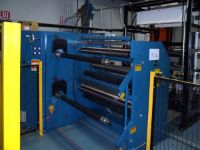
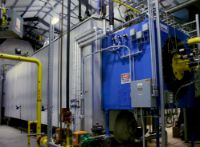
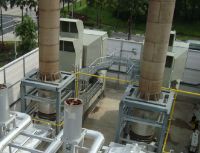
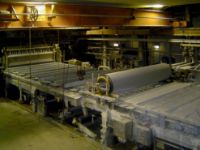
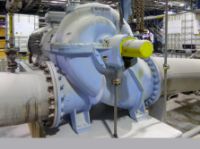
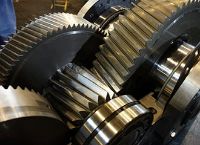
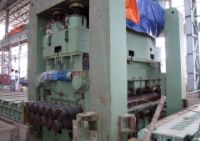

Paper converting equipment, also known as paper converting lines, refers to the machinery that transforms raw paper or jumbo rolls into usable products like packaging materials, tissues, napkins, paperboard, cartons, and labels. These lines can include a combination of rewinders, slitters, embossers, sheeters, and packaging systems, all working together to create finished paper products efficiently and at scale.
In recent years, manufacturers have increasingly turned to used paper recycling equipment to balance cost efficiency with high-quality output. Buying pre-owned machinery allows companies to scale faster, save capital, and embrace more sustainable practices without sacrificing reliability. This post will explore why paper converting efficiency matters, the advantages of investing in used converting lines, strategies to maximize output, common mistakes to avoid, and future trends shaping the industry.
Why Paper Converting Efficiency Matters in Today’s Market
Here’s why paper converting efficiency matters:
1. Efficient paper processing machinery reduces downtime, lowers energy consumption, and minimizes raw material waste. For manufacturers, this directly translates into lower operating costs and higher output per shift.
2. Consumer and industrial demand for paper-based products is constantly growing. By maximizing efficiency, companies can keep up with customer expectations for faster delivery and consistent quality, all while maintaining competitive pricing.
3. Efficiency isn’t just about speed but also ties into sustainability. By integrating used paper recycling equipment into their operations, businesses can meet environmental regulations and position themselves as responsible, future-ready brands.
Strategic Advantages of Buying Used Converting Lines
A growing number of manufacturers are discovering the benefits of investing in used paper converting equipment. Here’s why:
1. Significant cost savings: The most obvious advantage is the reduced upfront investment. Pre-owned paper processing machinery can often be purchased for a fraction of the cost of new equipment, freeing up capital for other critical business needs.
2. Faster ROI (return on investment): Lower capital expenditure means companies can achieve profitability faster. By investing in used paper converting lines, manufacturers can start producing and generating revenue without waiting years to offset the high cost of new machinery.
3. Proven reliability: Many used machines have a track record of reliable performance in real production environments. When sourced from a trusted machinery dealer, buyers gain peace of mind knowing the equipment has been inspected, refurbished if necessary, and optimized for continued use.
4. Availability and shorter lead times: Used paper recycling equipment is typically available immediately, which means companies can ramp up production quickly to meet rising demand.
5. Sustainability and circular economy benefits: Choosing pre-owned paper converting solution supports sustainability goals by extending the lifecycle of existing assets and reducing the need for new manufacturing.
Effective Strategies to Maximize Output with Used Converting Machinery
By focusing on efficiency and reliability, businesses can get the most out of their used paper converting lines while staying competitive in today’s fast-moving market. Here’s how:
1. Prioritize Preventive maintenance: Regular servicing and preventive maintenance are essential for extending the life of pre-owned paper processing machinery. Scheduling inspections, replacing worn parts, and ensuring lubrication help prevent unexpected downtime and maintain consistent production.
2. Optimize Workflow and layout: Strategically positioning machines and streamlining material flow can significantly reduce delays, improve operational efficiency, and maximize throughput. By designing an effective layout, businesses can reduce unnecessary movements, increase space utilization, and ensure smoother transitions between processes.
3. Invest in Operator training: The efficiency of your equipment relies heavily on the skills of the operators. Properly trained staff can operate machinery more safely, reduce errors, and minimize waste. Continuous skill upgrades also help employees adapt to new features or retrofits on used recycling equipment.
4. Upgrade with Modern Enhancements: Many used paper converting lines can be retrofitted with automation upgrades, digital controls, or safety improvements. These cost-effective enhancements can bring older equipment up to modern standards, increasing both productivity and product quality.
5. Monitor Performance Data: Implementing simple tracking systems helps you monitor speed, waste, and downtime. These insights allow managers to spot inefficiencies and adjust processes for maximum output.
Customization and Flexibility with Used Equipment to Your Needs
Many pre-owned machines offer excellent opportunities for customization and flexibility, allowing businesses to adapt quickly to changing market demands.
1. Retrofitting with Modern Upgrades: Used paper processing machinery can often be enhanced with new control systems, safety features, and automation upgrades. These retrofits not only extend machine life but also bring performance closer to that of new models without the high cost.
2. Adapting to Product Variations: Consumer needs in the paper industry are constantly evolving. With the right adjustments, used paper converting lines can be retooled to handle different product formats, paper grades, and finishes, giving manufacturers the agility to diversify their offerings.
3. Scalability on a Budget: For growing businesses, adding or reconfiguring used recycling equipment is far more budget-friendly than investing in brand-new production lines. This flexibility makes it easier to scale operations in phases, aligning production capacity with actual demand.
Common Mistakes to Avoid When Investing in Used Converting Equipment
Here are the most common mistakes manufacturers make when buying used machinery and how to steer clear of them.
1. Skipping the Inspection Process: One of the biggest risks when buying used paper processing machinery is purchasing equipment without thoroughly inspecting its condition. Always request a detailed inspection report, ideally from a trusted third-party technician to ensure the machinery is in good working order.
2. Overlooking Maintenance History: Not all pre-owned machines come with a clear maintenance history. Failing to review this crucial information can lead to costly surprises down the road. Ensure that the equipment has undergone regular servicing, with any parts prone to wear being replaced or refurbished as needed.
3. Ignoring Energy Efficiency: Older machines may not be as energy-efficient as newer models. So, before finalizing your purchase, assess the machine’s energy consumption and consider upgrading energy-saving components, such as motors or drives, if necessary.
4. Failing to Account for Spare Parts Availability: Another common mistake is assuming spare parts for used paper converting lines will always be readily available. Before making a purchase, ensure that spare parts are readily available and consult with the dealer regarding any potential obsolescence issues or compatibility concerns with your existing machinery.
By investing in well-maintained used recycling equipment for sale, businesses can reduce capital expenditures, increase production capacity, and stay competitive in the evolving market. If you’re ready to explore high-quality used paper converting equipment, Industrial Exchange is your trusted partner. With a vast inventory of pre-owned machinery and a team of industry experts, we help businesses like yours find the best deals on used paper recycling equipment, so you can boost production without the hefty price tag.