

The global demand for corrugated boxes has surged in recent years, driven by significant shifts in consumer behavior, particularly the rise of e-commerce. With companies looking for more efficient and sustainable packaging solutions, corrugated box production has become a keystone of modern packaging industries. A corrugating line or corrugator plays a crucial role in the high-quality, durable, and cost-effective corrugated boxes production. Understanding the role of these machines is essential for manufacturers who seek to remain competitive in the rapidly evolving packaging sector. Continue reading this post till the end to understand every aspect of corrugating lines.
What is a Corrugating Line?
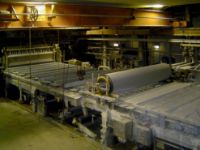
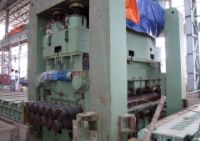
A corrugating line is an integrated production system designed to manufacture corrugated board through a continuous process of fluting, gluing, bonding, and finishing. The system combines heat, pressure, and adhesive application to create the characteristic wave pattern (fluting) between flat linerboard sheets, producing the rigid yet lightweight material that defines corrugated packaging. Modern corrugating lines operate at speeds ranging from 300 to 1,000 feet per minute, with production capacity determined by line width, speed capabilities, and operational efficiency.
Key Components of a Corrugating Line
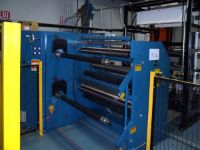
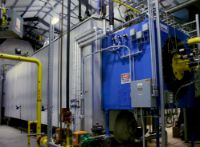
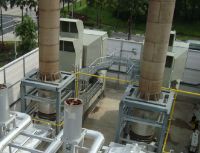
A modern corrugating line comprises several key components, each playing a vital role in the production of corrugated cardboard. These components work together to ensure efficient production of high-quality corrugated boards, essential for robust packaging solutions.
- Flute Former: The flute former shapes the paper into fluted, wave-like structures, a key step in creating corrugated cardboard. The flutes provide strength, flexibility, and cushioning, making the cardboard ideal for protecting products during transportation. The consistency of the fluting process affects the product's durability, stacking strength, and resistance to compression, ensuring the cardboard withstands handling and shipping stresses.
- Pre-Heater: The pre-heater warms the paper before it enters the corrugating machine, making it pliable and easier to form into flutes. Proper heating also ensures effective adhesion, reducing the risk of weak joints or poor bonding that could compromise the corrugated board’s strength.
- Single Facer: The single facer glues the fluted paper to a liner, forming the corrugated board. Heat and pressure bond the two layers, creating a sturdy sheet. This step is critical, as a strong, uniform bond ensures the final product’s integrity. A weak bond can lead to delamination, reducing the board’s strength.
- Double Backer: The double backer adds a second liner to the fluted paper, creating a double-layered board. This step enhances the board’s strength, making it suitable for heavy-duty packaging where additional protection is required.
- Slitter Scorer: The slitter scorer cuts and scores the corrugated board to the correct size and shape. It slices the board into sheets and creates fold lines for easy conversion into boxes. Accurate scoring ensures efficient processing, minimizing waste and ensuring precise folding.
- Reel Stands and Rollers: Reel stands hold the large rolls of paper, ensuring smooth feeding into the line. Rollers maintain paper tension and alignment, preventing misalignment or jams. Together, they ensure uninterrupted corrugated box production and maintain consistency throughout the process.
New vs. Used Corrugating Lines - What is the Best Choice for Corrugated Box Production?
Here are some pointers that will help in making the right decision.
- Cost-Effectiveness and ROI: Used corrugating lines deliver immediate cost savings, often 40-60% less than new equipment, allowing businesses to invest capital in other areas like workforce or inventory. For companies with budget constraints or those testing new markets, refurbished equipment provides excellent ROI without the hefty price tag of new machinery.
- Faster Production Start-Up: Used corrugating lines have significantly shorter lead times compared to new equipment. While new machines can take months for manufacturing and delivery, quality used lines can be operational within weeks, helping companies quickly respond to market demands and avoid lost revenue during waiting periods.
- Proven Performance and Reliability: Well-maintained used corrugating lines from reputable sellers have established track records. Unlike new equipment that may have untested components or require break-in periods, refurbished machines have proven their durability in real production environments. When sourced from trusted platforms like Industrial Exchange, these lines often come inspected, serviced, and ready for immediate production.
- Technology and Features: Modern used corrugating lines (manufactured within the last 5-10 years) incorporate advanced technology that meets current production standards. While the newest machines may offer incremental improvements, most production requirements are fully satisfied by well-maintained used equipment at a fraction of the cost.
- Smart Investment for Growing Businesses: For companies scaling operations or entering the corrugated box market, used equipment allows strategic growth without over-leveraging finances. The savings can be redirected toward skilled operators, maintenance programs, or facility improvements, investments that often impact efficiency more than having the latest model machinery.
Who are Ideal Buyers for Surplus Corrugators?
Here is the list of ideal buyers for surplus corrugators looking to enhance existing production lines without the high cost.
- Smaller Packaging Companies: Surplus corrugating equipment offers a cost-effective solution for smaller companies looking to increase production without the financial burden of purchasing new machines.
- Startups: New businesses entering the packaging industry can benefit from surplus corrugators, allowing them to ramp up production without the high initial investment required for new equipment.
- Companies Expanding Production Capacity: Businesses that need to scale their production quickly can use surplus corrugators as a cost-effective alternative to new machines, meeting growing demand without significant capital expenditure.
- Upgrade or Expansion Needs: Companies looking to upgrade or expand their existing production lines may find surplus equipment to be an ideal solution, allowing them to enhance their capabilities without the expense of completely replacing older machines.
- Cost-Conscious Buyers: For any business seeking to achieve high performance in corrugated box production while minimizing costs, surplus equipment provides an excellent balance of quality and affordability.
Are you ready to enhance your corrugated box production capabilities and take your manufacturing to the next level? Industrial Exchange specialize in offering top-quality Used and surplus corrugating lines that can meet the diverse needs of your business. Visit Industrial Exchange or contact the experts to ensure that your production process remains efficient, cost-effective, and scalable for the future.