At Industrial Exchange, we make it simple to buy and sell high-quality used and surplus dewatering equipment for industries that rely on efficient solid-liquid separation processes.
Whether you are interested in purchasing second hand dewatering equipment to optimize your production or comparing Dewatering equipment prices, Industrial Exchange provides a wide range of options suitable for different production scales and budgets.
Have excess surplus or used equipment to sell? Please click here to sell your dewatering processing equipment, and our team will help you reach potential buyers. For inquiries, guidance, or assistance in selecting the right dewatering machine, contact our team today.
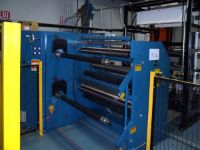
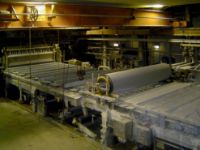
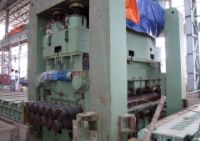
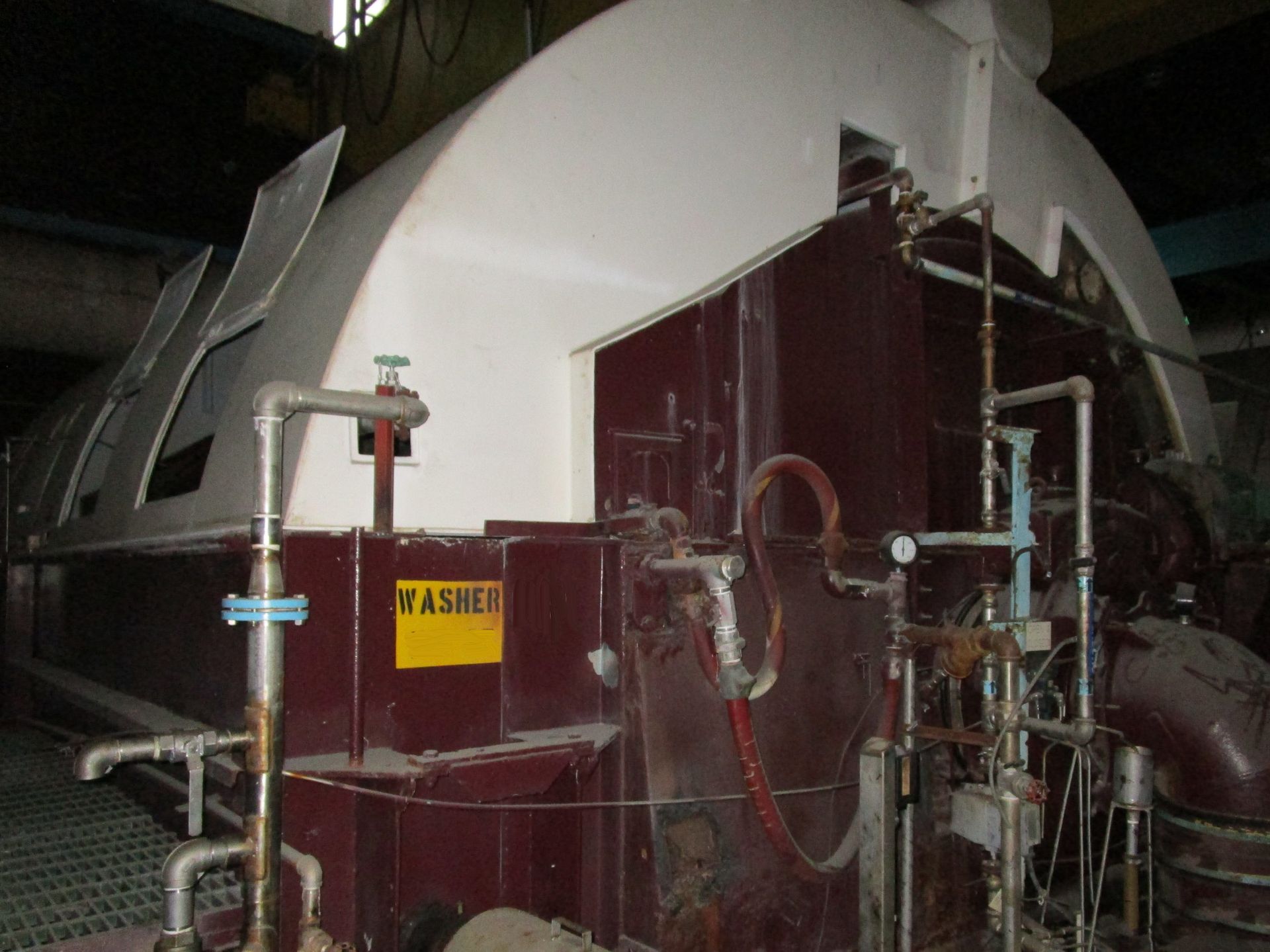
7.2 Meter Metso Twin Roll Washer; Twin Roll Press, Model TRPW-1572, Mfg. 2005, 1.5m Diameter x 7.2m Length Rolls, Hydraulic Drive w/ 400 HP Toshiba Motor, Auxiliary Hydraulic Power Unit and Vertical Hydraulic Pump Set.
Types of Dewatering Equipment Offered at Industrial Exchange
Below are the types of used dewatering equipment for sale. Browse our extensive inventory to find solutions for a wide range of industrial applications:
Best suited for dewatering fibrous or semi-solid materials in pulp, paper, food, and biomass industries, offering low energy consumption and effective performance.
Used for separating suspended solids, oils, and grease from water, commonly employed in industrial water treatment, especially in food and beverage industries.
Used for solid-liquid separation in a variety of applications, including wastewater treatment and chemical processes, offering high filtration efficiency and lower operational costs.
Used to remove large solids from liquids in industrial processes like mining, wastewater treatment, and paper production, often used for preliminary screening.
Ideal for separating solids from liquids or slurries in various industries, including mining, food processing, and wastewater treatment, providing high throughput and efficient separation.
How Used Dewatering Equipment Works
A used dewatering machine is designed to separate liquids from solids efficiently, reducing waste volume and improving processing efficiency.
Here’s a general overview of how these machines function:
Feed Introduction: Slurry, sludge, or other liquid-solid mixtures are introduced into the dewatering system.
Separation Process: Depending on the type of equipment—centrifugal, belt, screw, or plate and frame—the liquid is separated from the solids using pressure, centrifugal force, or vacuum.
Dewatered Output: Solids are discharged with reduced moisture content, while the extracted liquid is collected for recycling or disposal.
Automation & Control: Many dewatering processing equipment offers automation features to control feed rate, pressure, and moisture content.
Used dewatering equipment allows industrial operators to maintain consistent output, reduce handling costs, and improve resource efficiency across various production lines.
Applications & Industries Served
Our used dewatering equipment is suitable for a wide range of industries where solid-liquid separation is critical. Key applications include:
Wastewater Treatment: Reducing sludge volume and preparing solids for safe disposal or recycling.
Pulp and Paper Industry: Dewatering pulp and paper by-products efficiently.
Food Processing: Removing water from food slurries, fruit pulp, and other semi-solid materials.
Chemical & Pharmaceutical Manufacturing: Separation of liquid and solid components in chemical processing.
Biomass and Agricultural Processing: Dewatering organic materials for biofuel or composting applications.
Industrial Sludge Management: Optimizing waste handling and minimizing storage costs.
Industrial Exchange provides access to reliable second-hand dewatering equipment that caters to these industries, helping businesses improve efficiency and reduce operational costs.
How to Select the Right Dewatering Equipment
Selecting the right used dewatering equipment depends on the material type, desired moisture content, and processing capacity. Consider these factors:
Type of Material: Fibrous, granular, or sludge-based materials may require different equipment types.
Processing Capacity: Ensure the machine can handle your production volume efficiently.
Desired Dryness: Different machines achieve different final moisture contents.
Automation Needs: Fully automated dewatering processing equipment can optimize operations and reduce labor.
Budget Considerations: Compare dewatering equipment prices to identify cost-effective solutions for your operation.
Contact our team for expert advice on selecting the most suitable used dewatering equipment for your production requirements.
Troubleshooting Tips For Dewatering Equipment
To maintain consistent performance from your used dewatering machine, consider these common troubleshooting tips:
Excess Moisture in Solids: Adjust pressure, belt speed, or feed rate depending on equipment type.
Uneven Flow or Clogging: Check feed consistency and screen or filter condition.
Overheating or Mechanical Stress: Ensure proper lubrication, motor function, and maintenance schedule.
Vibration or Noise Issues: Inspect alignment, balance, and mounting stability.
Reduced Throughput: Verify that feed composition and system settings are optimized for maximum efficiency.
Proper operational knowledge and preventive practices will ensure your second-hand dewatering equipment operates efficiently over time.
Why Choose Industrial Exchange
Industrial Exchange is a trusted global marketplace for sourcing and selling used dewatering equipment and other industrial machinery. Businesses choose us because:
We provide a wide selection: of dewatering processing equipment suitable for different industries.
Competitive dewatering equipment prices: that accommodate various budgets.
Simple and secure buy & sell processes: for second hand and surplus equipment.
Expert guidance and personalized assistance: from industry professionals.
Access to both individual dewatering machines and complete systems: for rapid operational scaling.
Ready to optimize your solid-liquid separation processes or sell surplus dewatering equipment?
Browse our listings of second-hand dewatering equipment, compare dewatering equipment prices, or contact our team for professional assistance today.
Frequently Asked Questions (FAQs)
What should I look for when buying used dewatering equipment? Consider capacity, type of material it can handle, automation features, and compatibility with your production process.
What types of materials can be processed using dewatering equipment? Dewatering machines handle sludge, slurry, pulp, food by-products, biomass, and other liquid-solid mixtures.
How do I know if a used dewatering machine is reliable? Review operating history, manufacturer reputation, and consult our team for guidance on selecting dependable second-hand dewatering equipment.
What is the lifespan of dewatering processing equipment? With proper operation and maintenance, these machines can operate efficiently for 10–20 years depending on usage.
How do I sell my surplus dewatering equipment? You can list your equipment on Industrial Exchange. Please click here to sell and reach a network of buyers actively seeking used dewatering equipment.
What happens if my used dewatering equipment breaks down after purchase? We recommend discussing service and support terms directly with the seller prior to purchase to ensure operational continuity.
Are second hand dewatering machines cost-effective? Yes, purchasing used dewatering equipment provides significant cost savings while maintaining operational efficiency.
Can I get help selecting the right dewatering processing equipment? Absolutely. Contact our team for expert guidance in choosing the most suitable dewatering machine for your operational needs.