
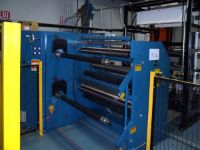
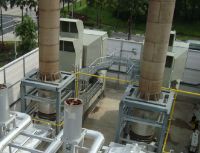
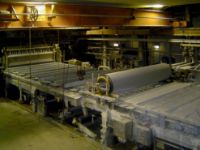
According to the International Energy Agency (IEA), modern bioenergy already accounts for over 6 % of global energy supply and nearly 55 % of renewable energy worldwide. As industries strive to reduce their carbon footprint and embrace sustainability, biomass has emerged as a key driver in the shift toward renewable energy. Around the world, companies are turning to biomass recycling machines to convert organic waste, such as wood chips, agricultural residues, and paper waste, into valuable natural fuel sources. For example, waste wood can be shredded into chips, crushed into sawdust, and compressed into fuel pellets using specialized biomass processing equipment. These pellets then power heating systems or are sold as renewable fuel, completing a clean and profitable recycling loop. This post explores the different types of biomass machinery available, their importance in renewable energy systems, and key factors to consider when investing in biomass plants or equipment.
Biomass for Renewable Energy: Importance and Essential Processing Equipment
Biomass plays a vital role in advancing renewable energy goals by transforming organic waste into clean, sustainable power. It not only diversifies the energy mix but also supports global decarbonization efforts by providing an eco-friendly alternative to fossil fuels. To convert renewable biomass into usable energy, various biomass processing equipment are employed at different stages of production:
- Chippers: These equipment breaks down wood and agricultural residue into smaller, uniform chips suitable for further processing.
- Dryers: These equipment are designed to reduce the moisture content in biomass materials, ensuring higher combustion efficiency and energy output.
- Pelletizers: These equipment are used to compress processed biomass, such as sawdust or wood chips into dense fuel pellets for heating and power generation.
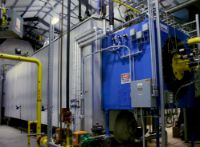
- Boilers: These equipment use pellets or chips to generate heat and steam for industrial operations or electricity production.
Why Used Biomass Machinery Is Gaining Traction
There are several compelling reasons why businesses are increasingly turning toward used biomass processing equipment.
- Cost efficiency: The most obvious cost factor makes biomass projects more financially viable, especially for small scale businesses or those with limited budgets. Buying new equipment for biomass plants or biomass processing lines involves a substantial capital investment, unlike the used ones. By contrast, procuring pre-owned or used biomass machinery from reliable players ensures good equipment in working order and sharply reduced upfront costs. Most such players would offer a variety of used equipment, such as biomass boilers and shredders, almost immediately. This also reduces downtime since the equipment can be readily shipped. So, there are immediate and long-term cost benefits.
- Faster deployment and availability: Used equipment often means shorter lead times. New machines may involve custom manufacturing, long shipping and installation schedules. Used and surplus large-scale machinery, ranging from biomass cogeneration systems around 1500 HP to boiler units may be available for immediate shipment. This leads to quicker deployment of biomass plants.
- Sustainability beyond energy: Selecting used equipment aligns with the sustainability mission in multiple ways. It further supports the achievement of sustainability goals, as the equipment is readily available and may require only basic servicing and inspection. This significantly reduces the impact of manufacturing new machinery by saving resources, energy, and effort. This also helps fosters a reuse culture rather than simply buying new and discarding old equipment, which leads to wastage. Investing in used equipment gives it a second life in new contexts, while also bringing circular-economy benefits. With biomass systems themselves contributing to renewable energy generation and waste-to-energy conversion, choosing used machinery adds an extra layer of environmental value.
- Performance and Reliability of Used Biomass Machinery: Unlike the popular perception of used equipment on its working condition, depreciation, reliability, and so on, such equipment can be extremely energy-efficient and profitable. Well-maintained machinery, properly refurbished and acquired from trusted sources, can deliver effective performance. Many used boilers, chippers, pellet mills and biomass plants continue to operate efficiently after refurbishment. Also, they have a slower depreciation rate than most new equipment.
- Scalability for energy producers: Used machinery offers a stepping stone for startups and businesses considering expansion, retrofitting or smaller pilot operations. It fosters modular growth of biomass plants by enabling the purchase of biomass processing equipment at an economical price. Over time, businesses may upgrade or scale up their equipment and processes depending on the budget and market conditions, among other factors.
Key Considerations Before Buying Used Biomass Machinery
Here are some factors you can consider before investing in used biomass machinery.
- Condition and maintenance history: Ensure you check the machine history in detail with the dealer. Check whether the machine has had any repairs before, its current operating condition, operating hours, and date of manufacture. Check the machine’s actual working hours and maintenance records to date.
- Compatibility with feedstock and existing systems: Check if the machine is compatible with the feedstock or biomass you aim to recycle, such as wood chips, agricultural residue, sawdust, and more. Ensure moisture, size, and fuel type compatibility. Its integration with existing systems is just as crucial to the equipment to functioning normally. Hence, check the control systems in your existing process and aspects such as fuel handling, ash removal, and more.
- Capacity and output requirements: Verify the throughput, thermal output, and electrical output for cogeneration and whether the machine meets your scale and its overall fitment in your operating requirements.
- Emissions and environmental compliance: Like most industrial machines, the emissions from biomass plants must be checked to meet compliance requirements. Ensure the machine meets local regulatory requirements.
- Spare parts and serviceability: Even used equipment requires spare parts, servicing, and maintenance. Ensure your dealer offers it, and that the spare parts, if needed are available locally.
- Refurbishment and testing: Ensure your supplier thoroughly inspects the machine before shipping it to your facility. Rule out any repair needs before you purchase it. If any minor issues are identified, have them repaired before commissioning.
Partner With a Trusted Biomass Equipment Expert
Working with a credible intermediary increases confidence, reduces risk and allows you to focus on deploying renewable biomass and biomass energy, rather than getting bogged down in equipment procurement issues. In the used biomass machinery market, choosing a reliable dealer or broker is essential.
At Industrial Exchange, we provide thoroughly inspected and ready-to-use biomass processing equipment, including boilers, pelletizers, and cogeneration systems. Our expertise in equipment evaluation and transparent inspection processes ensures you invest wisely in sustainable technology. Call our team today to find out how our used biomass machinery can help your business accelerate toward its renewable energy and sustainability goals.